Mitigation of Doxorubicin Cardiotoxicity With Synergistic miRNA Combinations Identified Using Combinatorial Genetics en masse (CombiGEM)
Abstract
Background, Cardiomyocyte loss occurs in acute and chronic cardiac injury, including cardiotoxicity due to chemotherapeutics like doxorubicin, and contributes to heart failure development. There is a pressing need for cardiac-specific therapeutics that target cardiomyocyte loss, preventing chemotherapy complications without compromising chemotherapeutic efficacy. Objectives, The authors employed massively parallel combinatorial genetic screening to find microRNA (miRNA) combinations that promote cardiomyocyte survival. Methods, CombiGEM (combinatorial genetics en masse) screening in a cardiomyocyte cell line was followed by validation in the original cell type and screening in primary cardiomyocytes. The top combination was tested in mouse and developing zebrafish models of doxorubicin cardiotoxicity. RNA sequencing provided insight into possible mechanisms. Results, Multiple miRNA combinations protected cardiomyocytes from doxorubicin in vitro. The most effective (miR-222+miR-455) appeared to act synergistically, and mitigated doxorubicin cardiotoxicity phenotypes in murine and zebrafish in vivo models. RNA sequencing revealed overlapping and synergistic regulation of relevant genes and biological processes in cardiomyocytes, including mitochondrial homeostasis, oxidative stress, muscle contraction, and others. Conclusions, e identified miR-222 and miR-455 as a combination with potential therapeutic applications for cardioprotection. This study furthers our knowledge of the cardiac effects of miRNAs and their combinations and demonstrates the potential of CombiGEM for cardioprotective combinatorial therapeutic discovery.
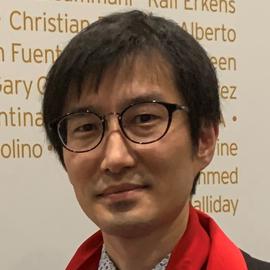
Yasutomi Higashikuni, M.D., Ph.D., FESC
Assistant Professor of Cardiovascular and Genetic Research
My research interests include homeostatic inflammation, RNA metabolism and modification, and synthetic biology.

Wenhao Liu, M.D.
Graduate Student
My research interests include inflammation, RNA metabolism, synthetic biology and heart failure with preserved ejection fraction.

Takumi Obana
Technical Assistant
My research interests include artificial organs, biomaterials, and extremophiles.